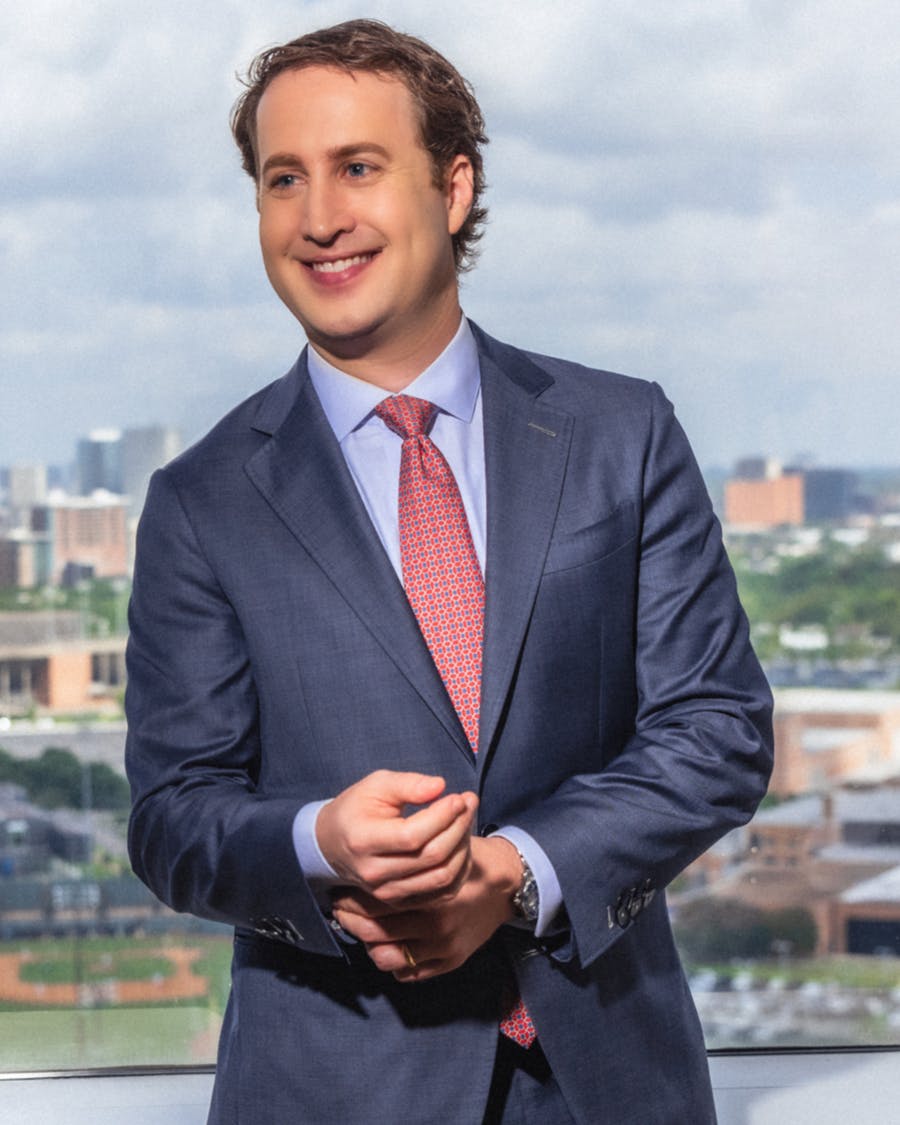
Scar Perfection Enhancing Skin Healing

An injury to the skin, whether from trauma or surgery, leaves a scar. The ideal scar is thin, soft, not depressed or raised relative to the surrounding skin, and oriented to make it as inconspicuous and free of functional limitations as possible.

Select A Section To Jump To

Houston Scar Revision

Improving Visible Scars on Face and Body

Depending on the type of injury, the resulting scar may not be ideal. Scars progress through a period of healing for up to one year. Even with the best scar care and sunscreen protection, you may want to undergo scar revision in Houston to improve the appearance of a visible scar.

Half Image texture

Types of Scars

Scars are the result of your body’s effort to heal and repair your tissue – but sometimes the body works overtime, leaving a visible, raised scar. The types of scars are categorized as:

Keloids

These scars occur when the body over-repairs an injury, creating a scar that extends beyond the original wound or incision. These scars are most common in people with darker skin, but they can affect people of any skin type or color. Removing a keloid scar may involve surgery and utilization of post-operative pressure earring, injectable steroid, injectable 5- FU, and even low-dose radiation.

Hypertrophic

A hypertrophic scar forms when there has been undue tension on a healing wound, appearing larger and thicker than it should be. It differs from a keloid as it does not extend beyond the area of injury.

Contracture

A contracture scar can affect movement because the skin and underlying tissues are tight and have lost flexibility. Sometimes this can affect the proper function of part of the body. This type of scar is common in deep burns.

Acne

Acne scars may be deep pits, called “icepick scars,” or have a wavelike appearance with larger depressions, called “rolling scars.” “Boxcar” acne scars have sharply defined edges and are square in shape. Atrophic scars are flatter, thinner, or depressed. The skin may appear uneven in texture and tone. Acne can also lead to hypertrophic or keloid scar development.

Schedule A Consultation

Contact Us
Contact us media
Doctor media

Custom Scar Revision Why Choose Us?

Eisemann Plastic Surgery Center is a premier aesthetic clinic in Houston. Our team of plastic surgeons has extraordinary skills and techniques for scar revision in Houston, whether the scar is on your face or body. Dr. Michael Eisemann is a triple board-certified plastic surgeon with an exceptional level of experience and artistry. He is well-known in his field and serves as an Assistant Clinic Professor of Reconstructive Surgery at Baylor College of Medicine and an Assistant Clinical Professor of Plastic Surgery at the Weill Medical College of Cornell University.

Dr. Bradley Eisemann, his son, is a board-eligible plastic surgeon and brings some of the most advanced surgical techniques to the practice, along with a dedication to providing his patients with individual care, attention, and compassion.

Marble texture

Scar Revision: Your Options

The first step in making your scar less visible is a full evaluation to determine the best approach, whether surgical or non-surgical. Some medications have been proven to minimize and prevent the development of keloids and to lessen their appearance. Meet with us at our private clinic in Houston, so we can evaluate your condition and advise you on the best approach to making scars less visible.

  • BioCorneum: A topical, FDA-cleared scar treatment that cross-links medical-grade silicone with UV protection to protect scars from becoming discolored.
  • Dermabrasion: The outer layer of the skin is treated with a specialized instrument to remove the most superficial layer, stimulating healthy skin growth, collagen production, and a smoother appearance in acne-damaged facial skin.
  • Fillers: Depressed scars can be smoothed with the judicious injection of dermal fillers.
  • Laser treatments: Laser treatments can be a very effective treatment for visible scars. The type of laser treatment will reflect the depth and extent of the scar.
  • Microneedling: Microneedling is the process of creating micro-injuries in the skin to stimulate natural healing and the development of healthy skin tissue.
  • Excision: In some cases, the scar tissue can be surgically removed (excised), with the tissues repositioned to be less visible or require more extensive repair.
  • Skin grafting: A skin graft involves removing scar tissue and replacing it with healthy skin taken from another part of the body.
  • Skin flaps: Skin flap surgery is an advanced technique in which healthy tissue with its own blood supply is taken from one area of the body and transplanted to another area. This procedure may be necessary for facial reconstruction.
  • Z-plasty: This technique involves creating a “Z”-shaped incision to allow greater flexibility in contracture scars and their orientation.
  • Tissue expansion: Some scars require tissue expansion to allow slow, gradual stretching of the skin and create enough adjacent skin to cover the scarred area. The tissue expander is placed beneath the skin and filled over weeks or months until enough skin exists to perform the scar revision.
Logo media

Am I a Candidate for Scar Revision?

You will need a full evaluation to determine if our scar revision in Houston is appropriate, and whether a worthwhile improvement can be expected and achieved. Some medications, such as steroid injections, can help minimize and prevent keloids. Some post-operative measures, such as pressure and massage, can also help to reduce and prevent the development of keloids.

If you feel that visible scars are affecting your confidence and quality of life, you should explore your options for scar revision treatment at Eisemann Plastic Surgery Center. Our father-son team of plastic surgeons can evaluate your condition and advise you of what treatment will best minimize the appearance of visible, problematic scars.

Contact us media
Accessibility: If you are vision-impaired or have some other impairment covered by the Americans with Disabilities Act or a similar law, and you wish to discuss potential accommodations related to using this website, please contact our Accessibility Manager at 713-790-1771.
Contact Us