What Is Orthognathic Surgery?

Orthognathic surgery is a highly specialized surgical procedure that repositions the upper and lower jawbones to correct the jaw position. Most often, it’s used to improve how the teeth come together (occlusal alignment) and to improve your facial balance. Some patients turn to orthognathic surgery to treat obstructive sleep apnea, helping reduce their reliance on a CPAP machine.

Woman looking down

Achieve a Balanced Bite and Facial Harmony

Orthognathic surgery goes beyond the capabilities of orthodontics to meaningfully improve jaw function and aesthetics. While every patient has their own motivations for seeking surgery, all can expect the following benefits:

  • Improvement in bite alignment, with teeth that meet properly
  • Easier, more comfortable chewing, biting, and speaking
  • Reduction in breathing issues, such as sleep apnea
  • Improved facial balance and a more harmonious profile
  • Relief from jaw strain
  • Reduced need for a CPAP machine and other breathing support
Half Image texture

Who Is a Good Candidate for Orthognathic Surgery?

Ideal candidates for orthognathic surgery in Houston are healthy, non-smoking adults who fit any of the following criteria:

  • Have a significant overbite, underbite, open bite, or crossbite
  • Have difficulty chewing, biting, or speaking
  • Have a receding or protruding jaw
  • Notice facial imbalances or an asymmetrical jaw
  • Are diagnosed with obstructive sleep apnea linked to jaw or airway structure

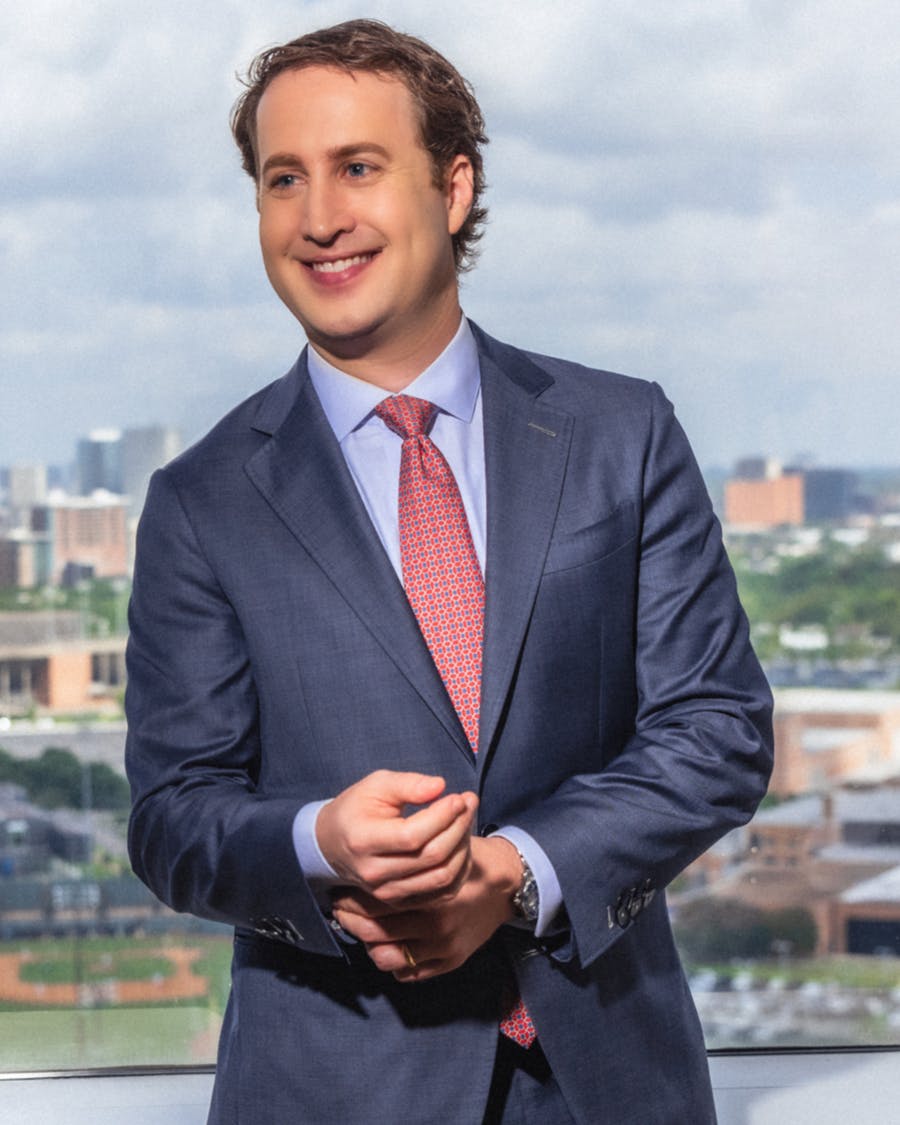
During your consultation, Dr. Eisemann will review your medical history and assess your facial anatomy to confirm your candidacy.

Doctor media

The Eisemann Difference

When you choose Eisemann Plastic Surgery Center for your orthognathic surgery in Houston, you know you’re in good hands. Our leaders, Dr. Michael Eisemann and his son, Dr. Bradley Eisemann, are craniofacial plastic surgery specialists who each completed prestigious fellowships to further their knowledge of the field. As a triple board-certified and award-winning surgeon, Dr. Michael Eisemann prioritizes anatomical alignment when building each patient’s treatment plan, ensuring balanced, proportionate results.

We’re led by a father-son team, and that family focus forms the foundation of our patient care philosophy. You’ll be met with warmth, kindness, and respect from the minute you walk through our Houston doors, and we’re dedicated to cultivating an understanding environment where all questions are welcome.

Marble texture

Your Private Consultation

Every patient’s journey at Eisemann Plastic Surgery Center begins with a one-on-one consultation with Dr. Eisemann. There, you’ll discuss your aesthetic goals, concerns, and symptoms, and he’ll examine your bone structure and facial balance to determine if orthognathic surgery is right for you. Depending on your needs, Dr. Eisemann may recommend braces or other orthodontic treatment to straighten your teeth before you’re ready for orthognathic surgery.

Schedule A Consultation

Contact Us
Contact us media

Pricing Your Procedure

The cost of your orthognathic surgery in Houston will depend on the following factors:

  • Surgical complexity
  • Whether additional procedures will be performed in the same session
  • Whether one or both jaws will be treated
  • Extent of correction

Because orthognathic surgery is typically performed for medical reasons, your procedure may be covered by insurance. After your initial consultation, a member of our team will walk you through a complete cost estimate, including financing options and insurance coverage, for full transparency.

What to Expect From Your Orthognathic Surgery in Houston

At Eisemann Plastic Surgery Center, orthognathic surgery is performed on an outpatient basis at our state-of-the-art QUAD A-accredited surgical center in Houston. We’ll administer our signature IV sedation with nerve block to prevent pain and discomfort during surgery. You and a trusted family member, friend, or partner will wait in a private recovery room until you’re ready to head home.

During surgery, Dr. Eisemann uses advanced imaging to analyze the upper jaw (maxilla) and lower jaw (mandible) and identify their proper placements. He’ll use incisions inside the mouth and targeted tools to make powerful movements, shifting the bones into a more appropriate position in the face. Your bones will be stabilized with small plates or screws, and your incisions will be carefully closed to promote smooth, consistent healing.

Patient-First, Gentle Recovery

Recovery after orthognathic surgery in Houston is a gradual process, with patients often experiencing swelling, bruising, and soreness for two weeks or longer after their procedure. Numbness around the lips and chin is common during early recovery, but this should subside within a few weeks. We’ll provide you with supportive bandages and facial wraps to keep your jaw in place during recovery

Most patients rest for several weeks following their surgery, as it takes roughly six weeks for initial bone healing to allow for normal daily activities. You’ll need to avoid strenuous activity for six months or more to avoid injuring the jaw.

Logo media

Your Personalized Post-Op Process

After your procedure, you’ll receive a customized recovery plan tailored to your body’s unique needs. This plan may include the following items:

  • Incision site care protocols
  • Supportive garment guidance
  • Dental hygiene recommendations
  • Recovery clothing options
  • Food and drink guidelines
  • Activity limitations
  • Sleep position restrictions
  • Side effects to monitor
  • Swelling and pain management strategies

Over the coming months, you’ll return to our Houston practice for regular follow-up visits with Dr. Eisemann. There, he’ll monitor your healing progress, assess your breathing function, and approve your return to high-impact activities, such as contact sports, running, and intense exercise.

Completing Your Transformation

Because orthognathic surgery requires such an extensive healing process, many patients combine it with other treatments to streamline their recovery. Complementary procedures include the following:

  • Chin augmentation
  • Cheek augmentation
  • Rhinoplasty
  • Upper and/or lower blepharoplasty

During your consultation, Dr. Eisemann will advise you on which procedures are safe to combine and which would benefit from a phased approach.

Orthognathic Surgery Frequently Asked Questions

How long will surgery take?

Orthognathic surgery typically takes several hours, but the exact duration of your treatment will vary depending on the extent of correction. During your consultation, Dr. Eisemann will walk you through an anticipated timeline so you know what to expect on surgery day.

Will I need braces before or after orthognathic surgery?

Patients typically require braces at some point in their orthognathic surgery journey. The exact timing will depend on the condition of your jaw, your medical needs, and your healing timeline. Dr. Eisemann will work with your orthodontic team to determine the best time for you to undergo surgery in relation to your braces.

When can I resume a normal diet after orthognathic surgery?

Every patient has their own healing timeline, but most are back to eating their normal diet within a few months. You’ll start on a liquid diet before advancing to soft foods after initial recovery. Dr. Eisemann will confirm when it’s safe to resume normal eating during your follow-up visits.

References

  • Correa, B; Eisemann, B; Eisemann, M: The Transconjunctival Midfacelift: A “Hole” Different Fixation. The Journal of Craniofacial Surgery, Volume 24, Issue 3, Pages 987–991, May 2013.
  • Eisemann, M: Anterior Pharyngotomy: An Improved Technique. Ear, Nose, and Throat 58: Pages 49–52, 1979.
  • Eisemann, M: The Growth Potential of Autograft Cartilage: An Experimental Study. Archives of Otolaryngology 109: Pages 469–472, 1983.
Contact us media
Accessibility: If you are vision-impaired or have some other impairment covered by the Americans with Disabilities Act or a similar law, and you wish to discuss potential accommodations related to using this website, please contact our Accessibility Manager at 713-790-1771.
Contact Us