What Are Cheek Implants?

We use cheek implants during our cheek augmentation procedures to restore lost volume and midface structure. Made from biocompatible materials, these implants are carefully selected or custom-designed to suit your unique facial anatomy and aesthetic goals, preventing overdone or artificial-looking results. Dr. Eisemann will work with you to determine the optimal implants to achieve your desired outcome.

womans side profile

Sculpting Fuller, More Youthful Cheeks

While every patient has different motivations for exploring plastic surgery, many come to us seeking the following benefits of cheek implants:

  • Enhanced facial symmetry
  • Restored volume for hollow or sunken cheeks
  • Improved cheekbone definition
  • Better balance between facial features
  • Increased self-confidence
Half Image texture

Are You a Good Candidate for Cheek Implants?

Ideal candidates for cheek implants in Houston are healthy, non-smoking adults who fit the following criteria:

  • Feel your cheeks lack definition or have taken on a hollow appearance
  • Want a more sculpted or contoured look
  • Have lost facial volume due to aging or significant weight loss
  • Have adequate skin elasticity in the cheeks
  • Have facial asymmetry, with one cheek appearing smaller than the other

During your consultation, Dr. Eisemann will perform a short physical exam of your cheeks to confirm your candidacy.

Doctor media

The Eisemann Difference

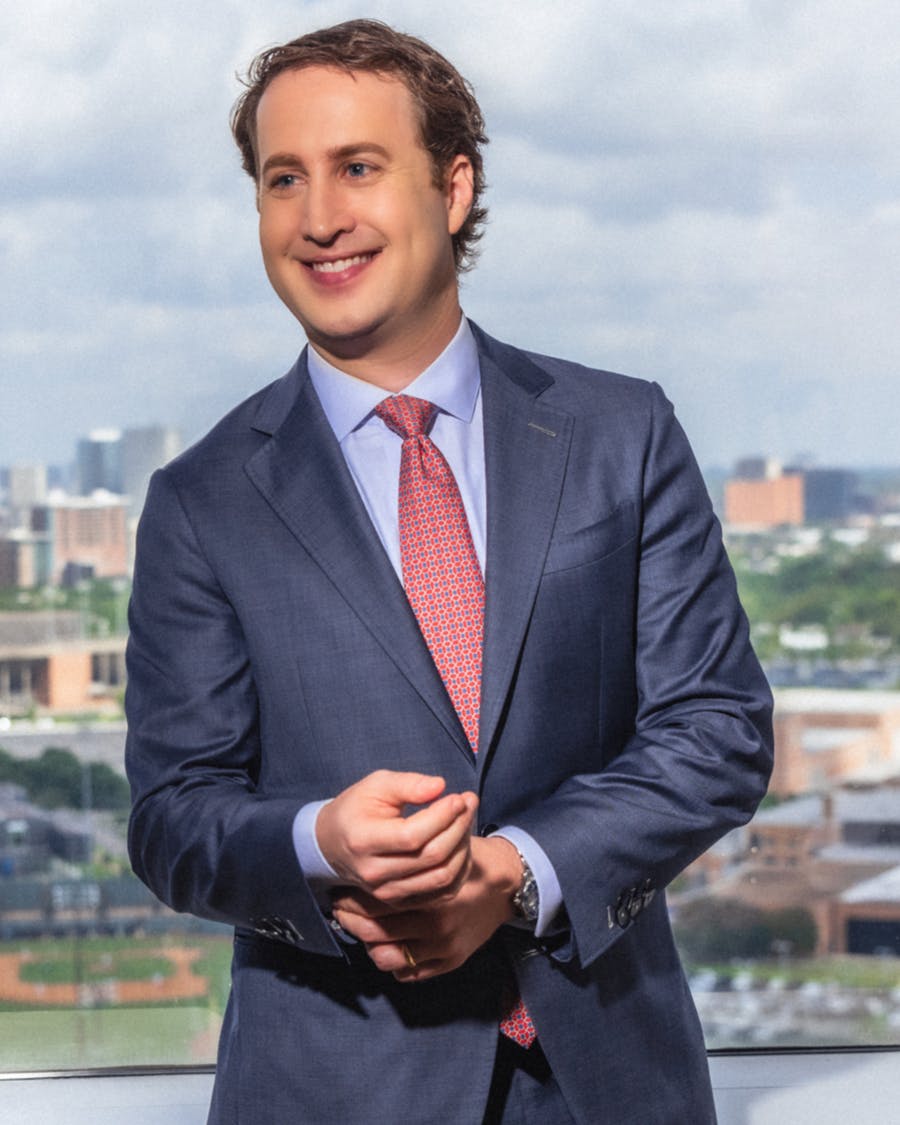
With Eisemann Plastic Surgery Center, your care is rooted in the core belief that patients deserve compassionate, personalized care that doesn’t compromise on clinical excellence. Our team is led by Dr. Michael Eisemann, a triple board-certified plastic surgeon, and his son, Dr. Bradley Eisemann, a board-certified and fellowship-trained plastic surgeon. Together, they build customized surgical plans for every patient, ensuring your care is tailored to your unique anatomy and medical needs.

As a true father-son team, our practice is built on family-driven treatment. Every patient is met with warmth, empathy, and respect from the minute they walk through our Houston doors. We prioritize patient education every step of the way, and our team is here to answer any and all questions you may have with transparency, honesty, and accuracy.

Marble texture

A Confidential Consultation

Every patient’s journey with Eisemann Plastic Surgery Center begins with a one-on-one consultation at our Houston practice. There, you’ll discuss your aesthetic goals, medical history, and concerns, and Dr. Eisemann will evaluate your facial structure, skin quality, and fat distribution to determine if cheek implants are right for you.

Schedule A Consultation

Contact Us
Contact us media

Pricing Your Procedure

The cost of your cheek implants in Houston will depend on the following factors:

  • Whether your implants were pre-made or custom-designed
  • Whether one or both cheeks will be treated
  • Surgical complexity
  • Whether additional procedures will be performed in the same session

After your initial consultation, our team will provide a detailed cost estimate with financing options for full transparency.

What to Expect From Your Cheek Implants in Houston

During surgery, Dr. Eisemann will make small, carefully concealed incisions within the mouth to access the upper cheeks. He’ll then slowly insert your chosen implants, adjusting them as necessary to create a natural-looking, balanced appearance. Depending on your needs, the surrounding tissues may be slightly repositioned to accommodate the implants, and Dr. Eisemann will then close your incisions with dissolvable sutures.

Cheek implant surgery typically takes one to two hours, ensuring a precise, anatomically aligned result. Your procedure will be performed at our QUAD A-accredited surgical center in Houston, and you and a trusted family member, friend, or partner will rest in a private recovery suite until you’re ready to head home. Most patients use our signature IV sedation with nerve block to prevent pain during their procedure, but you may request general anesthesia or a local anesthetic with sedation according to your preferences.

Patient-First Recovery

Recovery after an implant-based cheek augmentation typically involves mild swelling, bruising, and soreness along the midface, which should subside within two weeks. You’ll need to keep your head elevated for a few days following your procedure. We’ll provide you with specialized face wraps to help reduce swelling and aid in pain management.

Most patients resume normal activities, including desk work, light movement, and social gatherings, within one week, but you may choose to wait until all bruising has faded for your own comfort. You’ll need to avoid strenuous activities for up to six weeks to allow your body ample time to heal.

Logo media

Your Personalized Post-Op Process

After your procedure, our team will share an individualized recovery plan tailored to your body’s needs. This plan may include the following items:

  • Incision site care protocols
  • Dental hygiene recommendations
  • Food and drink guidelines
  • Sleep position restrictions
  • Sun protection and exposure requirements
  • Activity limitations
  • Supportive garment guidance
  • Swelling and pain management strategies
  • Side effects to monitor

Over the coming weeks, you’ll return to our Houston office several times for follow-up visits with Dr. Eisemann. There, he’ll ensure your sutures are dissolving properly, check the health of your implant, and clear you to resume high-impact activities, such as contact sports, running, and intense exercise.


Achieving Your Desired Look

Many of our Houston patients include cheek implants in their overarching facial rejuvenation plans, helping them achieve a more comprehensive transformation. Complementary procedures include the following:

  • Rhinoplasty
  • Facelift
  • Chin augmentation
  • Brow lift

Cheek Implants Frequently Asked Questions

What is the difference between cheek implants and dermal fillers?

Cheek implants are a permanent structural solution for lost volume and definition in the cheeks, while dermal fillers are temporary enhancements that require regular maintenance to preserve your results. Implants are best suited to patients who desire long-term results.

Will my cheek implants look and feel natural?

Yes. Our goal is for your implants to seamlessly integrate with your bone structure, and we’ll specifically choose or custom-build implants to suit your natural features. We exclusively use implants that are soft to the touch and made with biocompatible materials to ensure an authentic feel under the skin.

Can I remove or replace my implants in the future?

Yes. If you experience any complications or wish to remove your implants in the future, Dr. Eisemann can perform a revision procedure to align your cheeks with your new aesthetic preferences.

Will I have any visible scarring after recovery?

No. Our cheek implant surgery uses incisions inside the mouth, resulting in no external scarring. If Dr. Eisemann needs to adjust your surgical plan and use external incisions, they will be strategically placed along the natural curves of the face, such as behind the ears, to minimize the long-term visibility of scars.

What are the risks and complications of cheek implants?

As with any surgery, risks can include infection, scarring, implant displacement, or asymmetry. However, choosing a skilled and experienced surgeon like those at Eisemann Plastic Surgery Center significantly reduces these risks, and proper aftercare can help ensure a successful outcome.

How long do cheek implants last?

Cheek implants are designed to be permanent, offering long-lasting results. However, some patients may experience slight changes in facial appearance due to natural aging or weight fluctuations over time, though the implants themselves should remain in place indefinitely.

Can I combine cheek implants with other procedures?

Yes, cheek implants can be combined with various facial procedures such as rhinoplasty, facelift, or chin augmentation for more comprehensive facial rejuvenation.

References

  • Eisemann, M: A Simplified Lateral Canthopexy Technique. Plastic & Reconstructive Surgery, 125: Pages 248e–249e, 2010.
  • Eisemann, M and Sharma, G K: The Wildervanck Syndrome: Cervico-oculo-acoustic Dysplasia. Otolaryngology Head and Neck Surgery 87: Pages 892–897, 1979.
  • Correa, B; Eisemann, B; Eisemann, M: The Transconjunctival Midfacelift: A “Hole” Different Fixation. The Journal of Craniofacial Surgery, Volume 24, Issue 3, Pages 987–991, May 2013.
Contact us media
Accessibility: If you are vision-impaired or have some other impairment covered by the Americans with Disabilities Act or a similar law, and you wish to discuss potential accommodations related to using this website, please contact our Accessibility Manager at 713-790-1771.
Contact Us