What Is a Revision Rhinoplasty?

A revision rhinoplasty is a highly specialized surgical procedure that corrects unsatisfactory results from a previous rhinoplasty, whether due to cosmetic dissatisfaction, breathing issues, or structural instability. Dr. Eisemann uses advanced techniques to restructure the nose and achieve the shape you desire.

Revision rhinoplasties can target the following concerns:

  • Pinched nasal tip
  • Inadequate nasal tip projection
  • Excessive cartilage removal or malposition
  • “Ski slope” bridge deformities
  • Nasal airway obstructions
  • “Pollybeak” deformities

Select A Section To Jump To

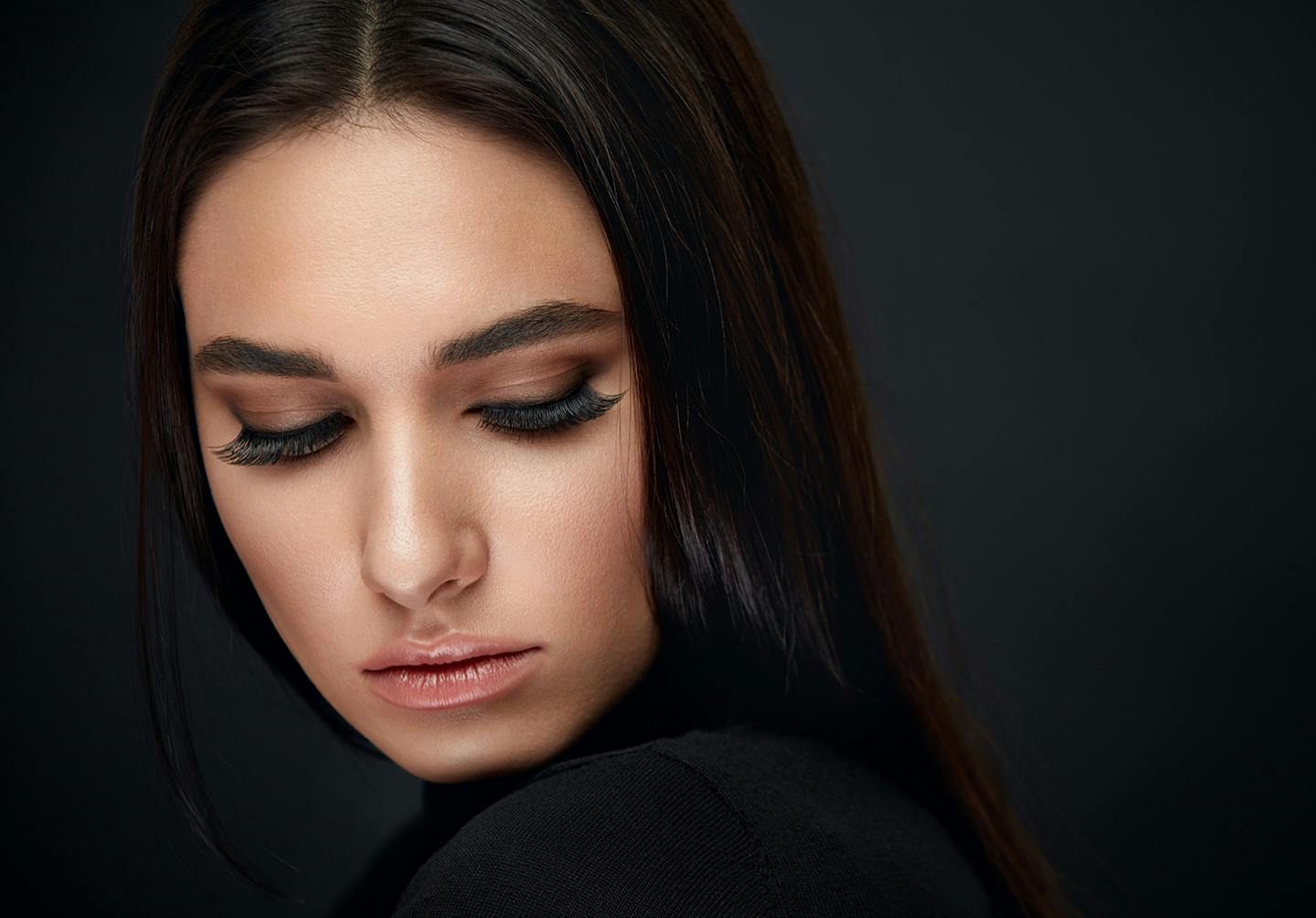
Beautiful woman with winged eyeliner and fancy hair updo

Achieving the Nose You Deserve

While every patient has their own motivations for seeking out a revision procedure, many come to us for the following benefits of a revision rhinoplasty:

  • Correction of misshapen nasal structures
  • Restoration of proper nasal width
  • Reconstruction of nasal valves for improved breathing function
  • Improved facial harmony and symmetry
  • Enhanced nose shape and projection
  • Reduction in nasal airway obstructions
  • Increased comfort and confidence
Half Image texture

Are You a Candidate for a Revision Rhinoplasty in Houston?

Ideal candidates for a revision rhinoplasty are healthy, non-smoking adults who have previously undergone a rhinoplasty and wish to alter their final results. During your consultation, Dr. Eisemann will evaluate your nasal shape and breathing function to confirm your candidacy.

Doctor media

Why Choose Eisemann Plastic Surgery Center?

With Eisemann Plastic Surgery Center, your care will be guided by our signature blend of clinical excellence and compassionate patient care. We understand that revision procedures can be frustrating for patients, so we’ll conduct your treatment with the sensitivity, empathy, and respect you deserve. We’ll work closely with you to identify the root cause of your dissatisfaction with your current nose and build a customized surgical plan to address your specific concerns.

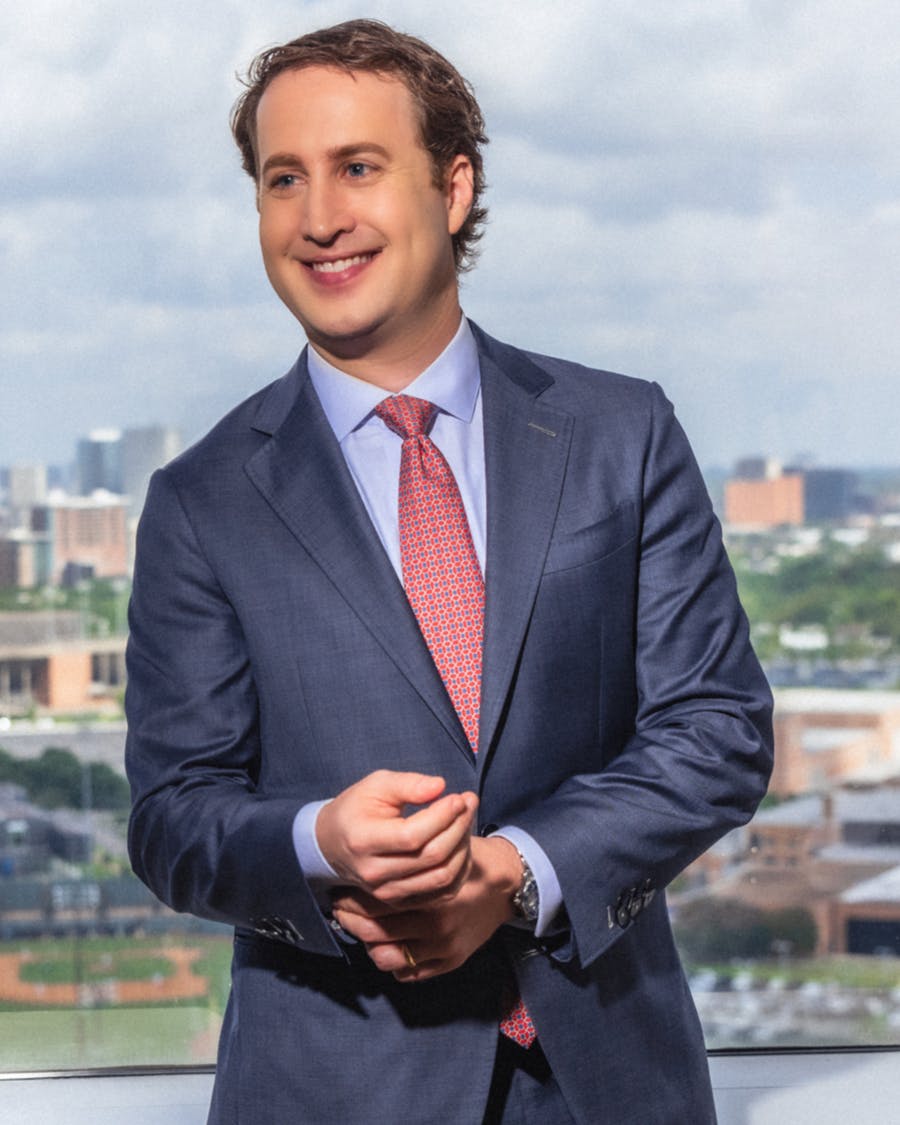
Your care will be driven by our leader, Dr. Michael Eisemann, and his son, Dr. Bradley Eisemann. Dr. Michael Eisemann is a triple board-certified, award-winning plastic surgeon with over two decades of medical experience. Dr. Bradley Eisemann is a board-certified, fellowship-trained plastic surgeon who has trained at some of the nation’s top institutions, including Baylor College of Medicine and New York University.

Marble texture

A Private Consultation

Your journey at Eisemann Plastic Surgery Center will begin with a one-on-one consultation at our Houston practice. There, you’ll discuss your surgical history, concerns, and aesthetic goals, and Dr. Eisemann will perform a thorough evaluation of the nose and your breathing function to determine if a revision rhinoplasty is right for you. He’ll build a customized revision plan that restores both aesthetic harmony and functional breathing.

Schedule A Consultation

Contact Us
Contact us media

Pricing Your Procedure

The cost of your revision rhinoplasty in Houston will depend on the following factors:

  • Surgical complexity
  • Whether you’re treating functional issues or just cosmetic irregularities
  • Extent of correction
  • Whether additional procedures will be performed in the same session

If your revision rhinoplasty will be performed to fix breathing issues, you may qualify for insurance coverage. After your consultation, a member of our team will walk you through a complete cost breakdown and explore your insurance coverage and financing options for full transparency.

What to Expect From Your Revision Rhinoplasty in Houston

Revision rhinoplasties are performed on an outpatient basis at our state-of-the-art QUAD A-accredited surgical center in Houston. We typically administer our signature IV sedation with nerve block to prevent pain during surgery, but you may choose to receive general or local anesthesia instead. You and a trusted family member, friend, or partner will rest in a private recovery room until you’re ready to head home.

During surgery, Dr. Eisemann will make strategic incisions around or within the nose, often following patterns from your primary surgery, to access the nasal tissues. Depending on your needs, he may perform cartilage grafts, reshape existing cartilage, or rebuild internal structures to restore your nasal shape and function. All incisions will be closed with small sutures to promote smooth, consistent healing.

Patient Reviews

Read More Reviews

Recovery Tailored to You

Recovery after a revision rhinoplasty in Houston typically involves swelling, bruising, and tenderness around the nose and eyes for about two weeks. We’ll place a splint on your nose to keep it in place and prevent injury during early recovery. We recommend resting with your head elevated for at least one week to help reduce initial swelling.

Most patients resume normal activities, including gentle movement, desk work, and social gatherings, within two weeks, but you may wish to wait until all bruising has faded for your own comfort. You’ll need to avoid strenuous activities for at least six weeks to allow your tissues ample time to heal.

Your Post-Op Process

After your procedure, you’ll receive a set of customized aftercare instructions from our team. This list may include the following items:

  • Incision site care and cleaning protocols
  • Splint-wearing guidance
  • Recovery clothing options
  • Hygiene recommendations
  • Swelling and pain management strategies
  • Activity limitations
  • Side effects to monitor
  • Sleep position restrictions

Over the coming weeks, you’ll return to our Houston practice several times for follow-up visits with Dr. Eisemann. There, he’ll remove any remaining sutures, check your healing progress, and clear you to return to high-impact activities, such as contact sports, running, and intense exercise.

Techniques Used in Revision Rhinoplasties

Revision rhinoplasties often use the same technique performed during your primary rhinoplasty to avoid excessive scarring and unnecessary trauma to the nasal tissues. Your revision rhinoplasty in Houston may use the following techniques:

Open Rhinoplasty

Here, Dr. Eisemann makes an incision along the columella between the nostrils, allowing for maximum visibility and access to the bones and cartilage. He may use advanced open techniques, such as an extracorporeal septal reconstruction, to correct a deviated septum and other structural issues..

Closed Rhinoplasty

Closed rhinoplasties use incisions within the nostrils to access and adjust the tissues and may be performed if your revision is for cosmetic reasons. This method results in no external scarring

Completing Your Transformation

Many of our patients include a revision rhinoplasty as part of an overarching facial rejuvenation plan to achieve a more comprehensive transformation. 

Complementary procedures include the following:

  • Brow lift
  • Dermal fillers
  • Chin augmentation
  • Lip lift

Revision Rhinoplasty Frequently Asked Questions

How long should I wait after my primary rhinoplasty to undergo a revision?

You’ll need to be fully healed from your primary rhinoplasty before exploring your revision options. For most patients, this means waiting at least a year between the two procedures. During your consultation, Dr. Eisemann will evaluate your nose to check for signs that you haven’t fully healed before approving you for a revision rhinoplasty in Houston.

Can a revision rhinoplasty fully reverse my primary rhinoplasty results?

Yes. If you’d like to return your nose to its pre-op appearance, a revision rhinoplasty can restore it as close to its original shape as possible. Dr. Eisemann will study images of you from before your surgery to build a customized surgical plan for your procedure.

When will I see the final results of my revision rhinoplasty?

The final results of your revision rhinoplasty will reveal themselves once all residual swelling fades, which may take up to a year. You’ll notice initial improvements in your nose shape within a few weeks of your procedure.

What is extracorporeal septal reconstruction, and when is it used in revision rhinoplasty?

This advanced technique involves removing the deviated septum, modifying and straightening it outside the body, and then replacing it back into the nose for improved support. It is used in complex revision cases where significant structural correction is needed.

What is a pollybeak deformity, and can revision rhinoplasty fix it?

A pollybeak deformity occurs when the area above the nasal tip appears overly full or rounded, often as a result of a prior rhinoplasty. Revision rhinoplasty with Dr. Michael Eisemann can correct this condition and restore a more refined nasal profile.

Does Dr. Eisemann perform revision rhinoplasty under local anesthesia with IV sedation?

Yes, surgery at the Eisemann Plastic Surgery Center is performed under local anesthesia with IV sedation and continuous monitoring, without the need for general anesthesia. Patients appreciate the improved safety, reduced cost, and quicker recovery associated with this approach.

How does scar tissue from a prior rhinoplasty affect the revision procedure?

Scar tissue from a previous surgery can make the revision more technically challenging, which is why choosing a highly experienced surgeon is essential. Dr. Michael Eisemann's 30-plus years of experience and over 2,000 rhinoplasty procedures give him the expertise to navigate these complexities.

What should I use to clean my incisions during revision rhinoplasty recovery?

Incisions should be cleaned once daily with hydrogen peroxide, followed by applying antibiotic ointment twice a day. The Eisemann team provides detailed post-operative instructions to support your healing at every stage.

Will my revision rhinoplasty results continue to improve over time?

Yes, while the nose begins to look more refined within weeks, minor swelling may persist for up to a year as the tissues fully settle. The final result continues to improve gradually, revealing the full extent of your surgeon's work over the following months.

References

  • Eisemann, M: The Growth Potential of Autograft Cartilage: An Experimental Study. Archives of Otolaryngology 109: Pages 469–472, 1983.
Contact us media
Accessibility: If you are vision-impaired or have some other impairment covered by the Americans with Disabilities Act or a similar law, and you wish to discuss potential accommodations related to using this website, please contact our Accessibility Manager at 713-790-1771.
Contact Us