Enhance Your Unique Beauty With Ethnic Rhinoplasty

Ethnic rhinoplasty recognizes special anatomic differences in the Asian, African-American, Hispanic, and Caucasian nose. Each is treated differently to create a straight and narrow nose with good aesthetic lines and good tip projection. Ethnic identity is still preserved.

Select A Section To Jump To

What Can Be Accomplished With Ethnic Rhinoplasty?

  • Soft week cartilages are augmented with cartilage grafts from the ear, rib, or septum to provide structure and a lasting result.
  • Thick, oily sebaceous skin can be treated medically before and after surgery
  • Wide flaring nostrils can be narrowed
  • A flat nasal bridge can be heightened by diced ear cartilage grafts or onlay septal or ridge grafts

Dr. Michael Eisemann and Dr. Bradley Eisemann specialize in ethnic rhinoplasty in Houston, having performed over 6,000 rhinoplasty procedures throughout careers spanning three decades. Eisemann Plastic Surgery Center is a nationally-renowned surgical center accredited by the American Association for Accreditation of Ambulatory Surgery Facilities, Inc. (AAAASF). Please schedule a consultation with our surgeons to discuss your ethnic rhinoplasty options.

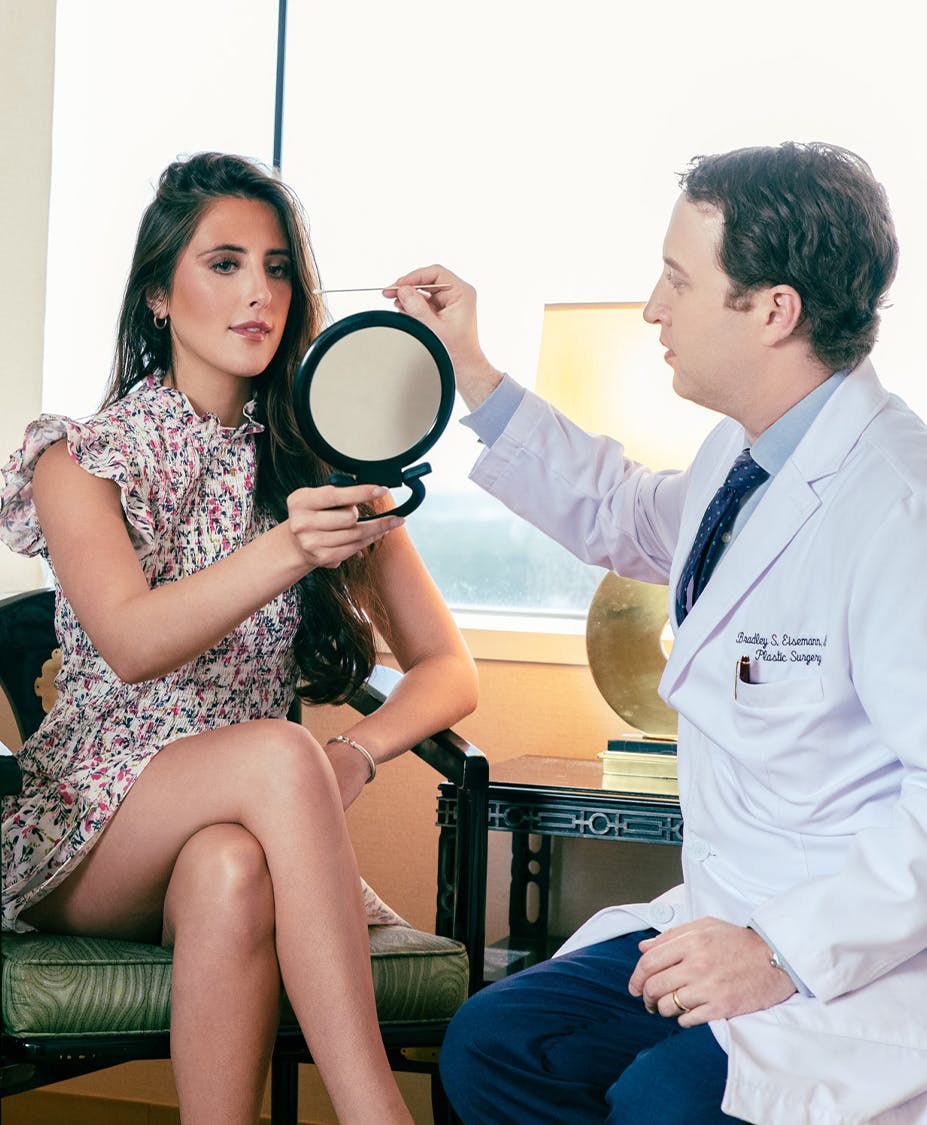
doctor and patient

Benefits of Ethnic Rhinoplasty

  • Preserves your individuality and ethnic identity
  • Ensures optimal facial harmony
  • Addresses all structural concerns
  • Highly personalized treatment
  • No visible scars or signs of cosmetic work
Half Image texture

Am I a Candidate for an Ethnic Rhinoplasty?

You’re very likely a suitable candidate for an ethnic rhinoplasty in Houston if you:

  • Have a fully mature nose
  • Are generally in good physical health
  • Have realistic expectations from the procedure
  • Are currently unhappy with the appearance of your nose
  • Have breathing difficulties because of nasal structural problems
  • Have disproportional nostrils or asymmetry issues
  • Want to preserve the markers of your ethnicity
Logo media

Ethnic Rhinoplasty Surgical Techniques

Ethnic rhinoplasty is performed using the same surgical techniques as traditional rhinoplasty: open rhinoplasty or closed rhinoplasty.

  • Open Rhinoplasty: The incision is placed at the base of the nostrils on the outside of your nose. This allows the surgeon to pull back the upper flap of your nose to make structural changes to your cartilage and bones.
  • Closed Rhinoplasty: All incisions are made within the nostrils, completely hidden from plain view. However, the amount of work this technique allows is slightly limited.

Dr. Eisemann excels in both the “open” and “closed” techniques. Regardless of the location of the incisions, he places incredibly fine incisions that are virtually imperceptible even when they’re outside the nose. Over time, as the tiny incision mark heals, there will be no remaining sign of cosmetic work. Your surgeon will determine the ideal surgical technique for your specific needs.

Types of Ethnic Rhinoplasty

African-American Rhinoplasty

Given the significant variation in nasal structures among people, African-American rhinoplasty requires close attention to detail. Some African Americans may have wider, flatter nostrils, while others may have large dorsal humps and low-hanging nasal tips. As with any rhinoplasty procedure, the goal is to bring the nose into harmony with the other aspects of the face without deviating from the patient’s unique cultural beauty standards.

Middle Eastern Rhinoplasty

This procedure is tailored to address the noses of patients who are of Middle Eastern (Arab, Iranian, Turkish) and South Asian (Indian and Pakistani) descent. Nose surgery has the ability to improve the contours of the nasal bridge, decrease the size of a large hump, redefine a droopy nasal tip, and instill more balance and symmetry between the nostrils. Most importantly, it can do all of this while still preserving the patient’s cultural identity and natural beauty.

Asian Rhinoplasty

Asian noses are often characterized by very thick skin, a sloped dorsum, and a slightly round or bulbous tip. These traits can sometimes make the nose appear wide and flat. In some cases, the doctor may use ear or rib cartilage to redefine the nasal shape or dermal fillers to create a more aesthetically pleasing nasal structure. As with every other iteration of this procedure, the patient’s unique beauty and cultural identity will be preserved in the final results.

Hispanic Rhinoplasty

Mexican, Castilian, Latino, or Mestizo rhinoplasty all fall under the umbrella of Hispanic rhinoplasty. The average Hispanic nose may feature a bulbous tip and wider-looking nostrils, or a bump on the nose bridge that can cause self-consciousness in the patient. Hispanic rhinoplasty can reshape the nose in an aesthetically pleasing way, reducing cosmetic concerns while preserving the patient’s ethnic heritage. Patients walk away with higher self-confidence and improved quality of life.

Background media

Ethnic Rhinoplasty With the Piezoelectric Ultrasonic Approach

Traditional rhinoplasties are performed using rasps and chisels to contour and adjust the nasal bone and cartilage. However, Dr. Eisemann uses the innovative, cutting-edge Piezoelectric Ultrasonic technique to make adjustments with ultimate precision and minimal side effects.

The Piezoelectric Ultrasound rhinoplasty in Houston involves generating high-speed sound waves to vibrate and chisel the nasal bones and cartilage. This procedure is incredibly precise because it adjusts only the targeted bones without damaging surrounding soft tissues. As such, you can be sure of superior cosmetic results with minimal post-surgical bleeding, bruising, and other side effects after your ethnic rhinoplasty in Houston.

Schedule A Consultation

Contact Us
Contact us media

Digital Visualization: See the Results

At the Eisemann Plastic Surgery Center, we perform computer-guided simulations of your face and nose to provide a more realistic representation of how you will likely appear after the procedure. This allows you to visualize the results before the procedure is actually performed. You will participate in this process, which will demonstrate your personal aesthetic preferences and ideals of beauty to us. 

The morphed image, while not a blueprint of the final result, is intended as a teaching and communication aid. Additionally, Dr. Eisemann will show you a photo album of numerous preoperative and postoperative patient results, not necessarily to show you the best results following the surgery, but to illustrate the procedure's limitations, such as for patients with thick, oily sebaceous skin.

Recovery From Ethnic Rhinoplasty

Depending on the patient’s ethnicity, the recovery period following rhinoplasty can be slightly longer than reported by typical rhinoplasty surgeons. People of certain ethnicities may have thicker nasal tissue, which can lead to a longer period of swelling in non-Caucasian individuals. This will ultimately prolong the rhinoplasty recovery time.

People of various ethnic backgrounds typically feel comfortable resuming public outings about 10-14 days after undergoing an ethnic rhinoplasty in Houston. As with any surgical procedure, patients can ensure a speedy recovery by closely following their doctor’s instructions. Typical instructions for recovery from ethnic rhinoplasty include:

  • Apply ice to the treated area
  • Wear the nasal splint
  • Keep the head elevated while asleep.
  • Eat a healthy diet.
  • Try to breathe only through the mouth for the first few days.
  • It is recommended that patients focus primarily on rest during the first week following the procedure. Patients should inform their employers of their treatment and take time off from work.
Doctor media

Why Choose Dr. Michael Eisemann?

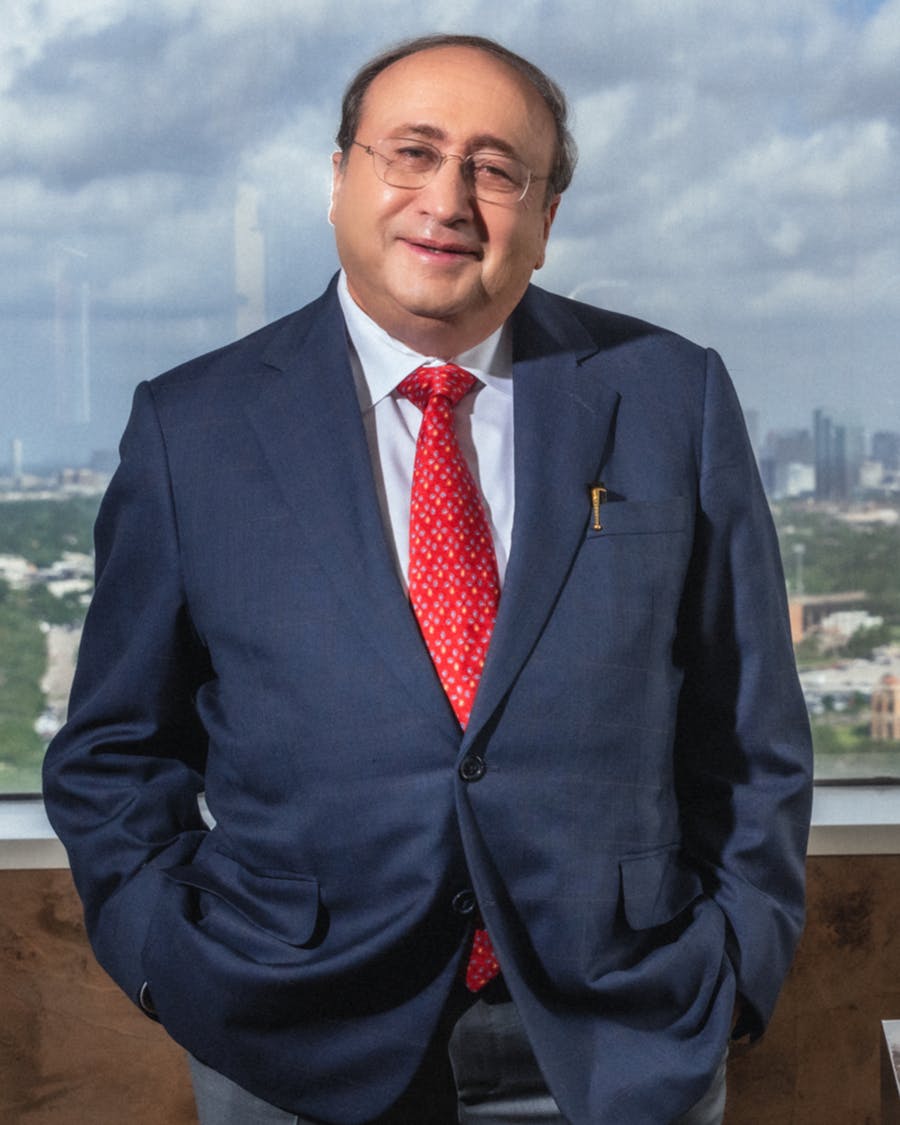
Dr. Michael Eisemann is a triple board-certified plastic surgeon with over 30 years of experience, having performed over 6,000 rhinoplasties in Houston. He’s an incredibly talented and reputable cosmetic surgeon who believes your treatments should adhere to your unique expectations. He discusses your cosmetic goals and concerns to curate a personalized treatment plan and walks you through the entire process to ensure optimal results. Please schedule a consultation with Dr. Eisemann to discuss your ethnic rhinoplasty options.

Marble texture

Ethnic Rhinoplasty Frequently Asked Questions

How does ethnic rhinoplasty differ from a traditional rhinoplasty procedure?

Ethnic rhinoplasty recognizes and addresses the unique anatomic differences found among Asian, African-American, Hispanic, and Middle Eastern noses, requiring specialized techniques to achieve optimal results. The primary goal is to enhance the nose while preserving the patient's cultural identity and natural beauty.

What is the Piezoelectric Ultrasonic technique, and why does Dr. Eisemann use it?

This cutting-edge technique uses high-speed sound wave vibrations to contour nasal bones and cartilage with exceptional precision, targeting only the bone without damaging surrounding soft tissue. It results in less post-surgical bleeding, bruising, and swelling compared to traditional rasps and chisels.

Where does the cartilage used in ethnic rhinoplasty grafting come from?

Cartilage grafts may be harvested from the ear, ribs, or nasal septum, depending on the patient's structural needs. These grafts provide support and lasting structure, particularly for noses with soft, weak cartilage that needs augmentation.

Can ethnic rhinoplasty address thick, oily skin on the nose?

Yes, thick oily sebaceous skin can be managed with a medical treatment plan before and after surgery to optimize results. Dr. Eisemann is transparent about the limitations thick skin may present and will show patients relevant before-and-after examples during the consultation.

How many rhinoplasty procedures has Dr. Michael Eisemann performed?

Dr. Michael Eisemann has performed over 6,000 rhinoplasty procedures throughout his career spanning more than three decades. This extensive experience makes him one of the most sought-after rhinoplasty surgeons in Houston.

What is the computer-guided simulation process offered at Eisemann Plastic Surgery Center?

The practice uses digital visualization to create a morphed image of how you are likely to appear after surgery, allowing you to preview your results and communicate your aesthetic preferences. While this image is not an exact blueprint, it serves as a valuable teaching and communication tool.

Is the recovery period longer for ethnic rhinoplasty than for standard rhinoplasty?

Patients of certain ethnic backgrounds may have thicker nasal tissue, which can result in a longer period of post-operative swelling compared to typical recovery timelines. Most patients feel comfortable resuming public outings about 10 to 14 days after surgery.

Can ethnic rhinoplasty improve both the appearance and function of my nose?

Yes, ethnic rhinoplasty can address cosmetic concerns, such as a wide bridge or a bulbous tip, while also correcting structural problems that affect breathing. Dr. Michael Eisemann creates a personalized treatment plan that considers both your aesthetic goals and functional needs.

Contact us media
Accessibility: If you are vision-impaired or have some other impairment covered by the Americans with Disabilities Act or a similar law, and you wish to discuss potential accommodations related to using this website, please contact our Accessibility Manager at 713-790-1771.
Contact Us