How does ethnic rhinoplasty differ from a traditional rhinoplasty procedure?
Ethnic rhinoplasty recognizes and addresses the unique anatomic differences found among Asian, African-American, Hispanic, and Middle Eastern noses, requiring specialized techniques to achieve optimal results. The primary goal is to enhance the nose while preserving the patient's cultural identity and natural beauty.
What is the Piezoelectric Ultrasonic technique, and why does Dr. Eisemann use it?
This cutting-edge technique uses high-speed sound wave vibrations to contour nasal bones and cartilage with exceptional precision, targeting only the bone without damaging surrounding soft tissue. It results in less post-surgical bleeding, bruising, and swelling compared to traditional rasps and chisels.
Where does the cartilage used in ethnic rhinoplasty grafting come from?
Cartilage grafts may be harvested from the ear, rib, or nasal septum, depending on the structural needs of the patient. These grafts provide support and lasting structure, particularly for noses with soft, weak cartilage that needs augmentation.
Can ethnic rhinoplasty address thick, oily skin on the nose?
Yes, thick oily sebaceous skin can be managed with a medical treatment plan before and after surgery to optimize results. Dr. Eisemann is transparent about the limitations thick skin may present and will show patients relevant before-and-after examples during the consultation.
How many rhinoplasty procedures has Dr. Michael Eisemann performed?
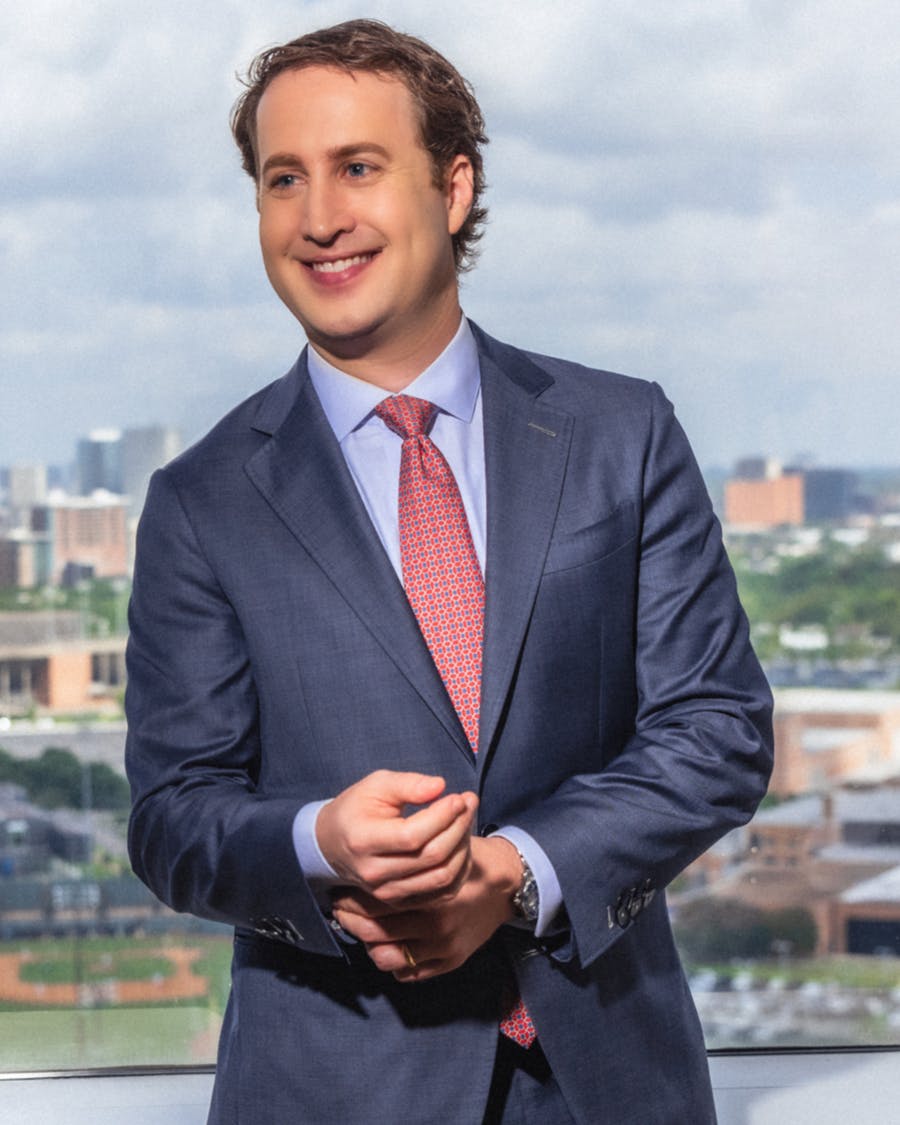
Dr. Michael Eisemann has performed over 6,000 rhinoplasty procedures throughout his career spanning more than three decades. This extensive experience makes him one of the most sought-after rhinoplasty surgeons in Houston.
What is the computer-guided simulation process offered at Eisemann Plastic Surgery Center?
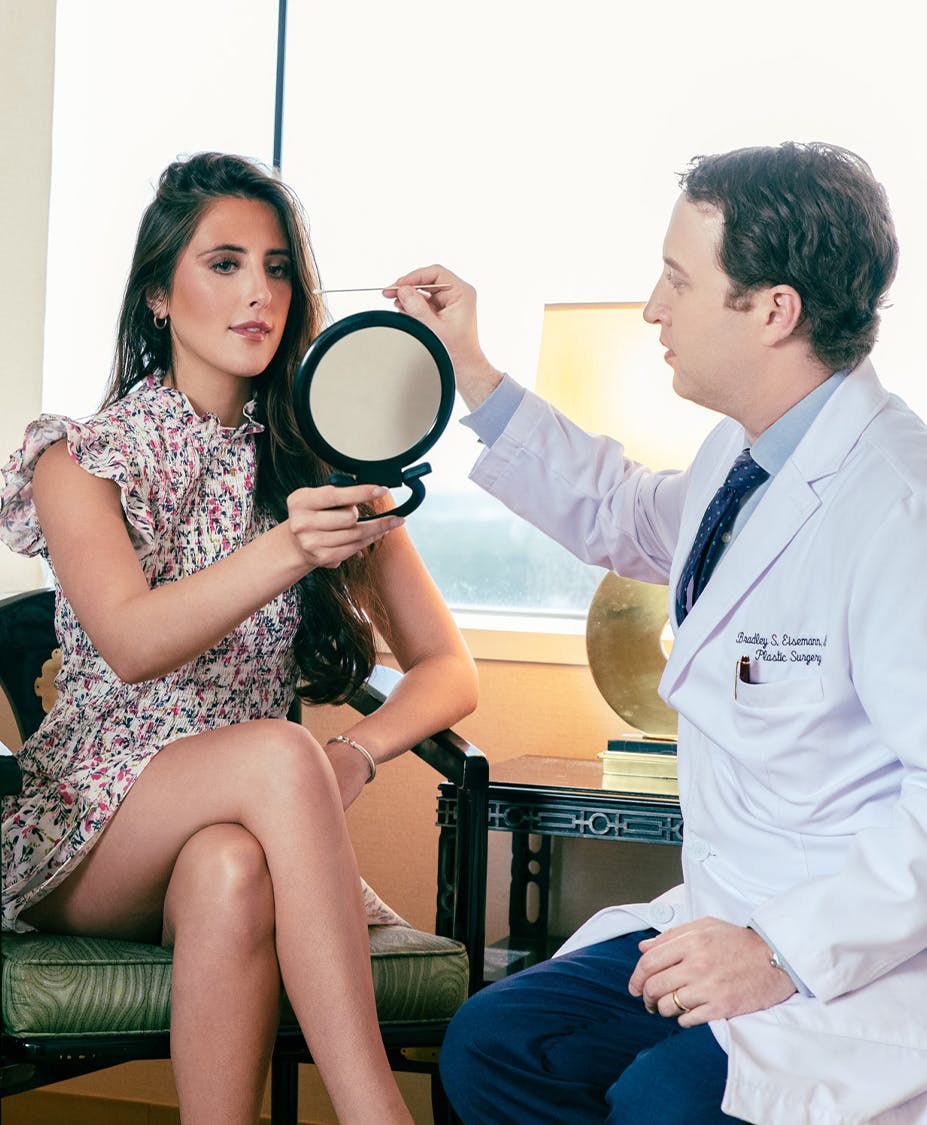
The practice uses digital visualization to create a morphed image showing how you will likely appear after surgery, allowing you to preview your results and communicate your aesthetic preferences. While this image is not an exact blueprint, it serves as a valuable teaching and communication tool.
Is the recovery period longer for ethnic rhinoplasty than for standard rhinoplasty?
Patients of certain ethnic backgrounds may have thicker nasal tissue, which can result in a longer period of post-operative swelling compared to typical recovery timelines. Most patients feel comfortable resuming public outings about 10 to 14 days after surgery.
Can ethnic rhinoplasty improve both the appearance and function of my nose?
Yes, ethnic rhinoplasty can address cosmetic concerns such as a wide bridge or bulbous tip while also correcting structural problems that affect breathing. Dr. Michael Eisemann creates a personalized treatment plan that considers both your aesthetic goals and functional needs.